
The Craft of Artisan Soap Making

Handmade soap creation is an art that combines creativity, science, and care. Unlike commercial soaps, handmade soaps are crafted with natural ingredients, offering a unique experience for the skin and senses. This blog post explores the fascinating world of soap making, providing practical tips and insights for anyone interested in this rewarding craft.
The Basics of Handmade Soap Creation
Creating soap by hand involves a process called saponification, where oils and lye react to form soap and glycerin. The choice of oils, fragrances, and additives determines the soap’s texture, scent, and skin benefits.
Essential Ingredients
Oils and Butters: Common oils include olive, coconut, and palm oil. Butters like shea and cocoa add richness.
Lye (Sodium Hydroxide): A necessary chemical that reacts with oils to create soap.
Water: Used to dissolve the lye.
Additives: Herbs, clays, essential oils, and colorants enhance the soap’s properties.
Equipment Needed
Safety gear (gloves, goggles)
Heat-resistant containers
Mixing spoons or sticks
Soap molds
Digital scale for precise measurements
Step-by-Step Process
Prepare the lye solution by carefully mixing lye with water.
Heat and mix oils until they reach the desired temperature.
Combine lye solution and oils slowly while stirring.
Blend the mixture until it reaches "trace" – a pudding-like consistency.
Add fragrances and additives.
Pour into molds and cover.
Cure the soap for 4-6 weeks to harden and develop.
This process requires patience and attention to detail but results in a product that is both beautiful and beneficial.

Benefits of Handmade Soap Creation
Handmade soaps offer several advantages over commercial options. They are gentle on the skin, environmentally friendly, and customizable.
Skin Benefits
Moisturizing: Glycerin, a natural byproduct, attracts moisture.
Gentle Cleansing: Free from harsh chemicals and synthetic detergents.
Custom Formulations: Tailored to specific skin types or conditions.
Environmental Impact
Biodegradable Ingredients: Natural oils and additives break down easily.
Minimal Packaging: Often wrapped in recyclable or compostable materials.
Sustainable Sourcing: Many artisans use ethically sourced ingredients.
Creative Expression
Handmade soap creation allows for endless creativity in shapes, colors, and scents. This makes it a popular hobby and a potential small business opportunity.
How Long Does Artisan Soap Last?
The shelf life of artisan soap depends on its ingredients and storage conditions. Typically, handmade soaps last between 1 to 3 years.
Factors Affecting Longevity
Type of Oils Used: Some oils, like olive oil, have a longer shelf life, while others, like flaxseed oil, can go rancid quickly.
Additives: Natural additives may reduce shelf life.
Storage Conditions: Keep soap in a cool, dry place away from direct sunlight.
Tips to Extend Soap Life
Store soap in a breathable container.
Avoid excessive moisture exposure.
Use soap dishes that drain water.
Properly stored artisan soaps maintain their quality and fragrance for a long time, making them a worthwhile investment.

Tips for Successful Artisan Soap Making
Whether you are a beginner or experienced soap maker, these tips can improve your results.
Safety First
Always wear protective gear when handling lye.
Work in a well-ventilated area.
Keep children and pets away from the workspace.
Measure Accurately
Use a digital scale for precise ingredient measurements.
Follow recipes carefully to avoid soap that is too soft or harsh.
Experiment with Additives
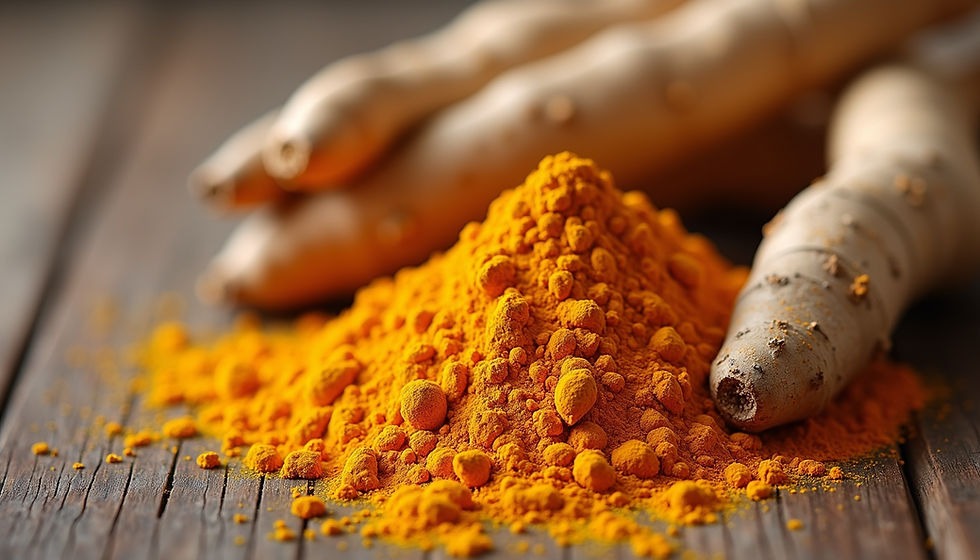
Try natural colorants like turmeric or spirulina.
Use essential oils for fragrance instead of synthetic scents.
Add exfoliants like oatmeal or coffee grounds for texture.
Keep Records
Document your recipes and results.
Note any changes in texture, scent, or curing time.
Practice Patience
Allow soap to cure fully before use.
Avoid rushing the process to ensure quality.
For those interested in exploring more about artisan soap making, there are many resources and communities online that offer guidance and inspiration.
Exploring the Market for Handmade Soaps
Handmade soaps have gained popularity as consumers seek natural and artisanal products. This trend opens opportunities for hobbyists and entrepreneurs alike.
Selling Handmade Soap
Local Markets and Craft Fairs: Great for direct customer feedback.
Online Platforms: Websites and social media can reach a wider audience.
Subscription Boxes: Partner with wellness or beauty boxes for regular sales.
Branding and Packaging
Use eco-friendly packaging to appeal to environmentally conscious buyers.
Develop a unique brand story highlighting your soap’s natural ingredients and handmade process.
Offer samples or gift sets to attract new customers.
Pricing Strategies
Calculate costs including ingredients, labor, and packaging.
Research competitor prices.
Consider offering discounts for bulk purchases or repeat customers.
By understanding the market and focusing on quality, handmade soap creators can build a loyal customer base.
Embracing the Art of Handmade Soap Creation
Handmade soap creation is more than just making soap - it is a journey of creativity, science, and care. Whether for personal use or business, the process offers satisfaction and tangible rewards. With the right knowledge and tools, anyone can master this craft and enjoy the benefits of natural, beautiful soap.
Explore the world of artisan soap making and discover how this timeless craft can enrich your daily routine and inspire your creativity.


Comments