
Secrets to Crafting All Natural Organic Soaps with Ingredients Oils and Benefits

A great bar of handmade soap feels simple, but it is built on chemistry, balance, and restraint. Too much fragrance can irritate skin. Too many pretty botanicals can make a bar scratchy. The wrong oil blend can turn soft, slimy, or harsh.
The real craft is learning how each ingredient behaves, then giving the soap enough time to become mild, hard, and beautiful.
All-natural organic soaps start with quality fats, a safe lye solution, thoughtful scent blends, and a curing period that cannot be rushed. Once those basics are in place, small choices make a big difference: a little castor oil for lather, olive oil for gentleness, coconut oil for cleansing, clay for slip, and essential oils that suit the mood of the bar.
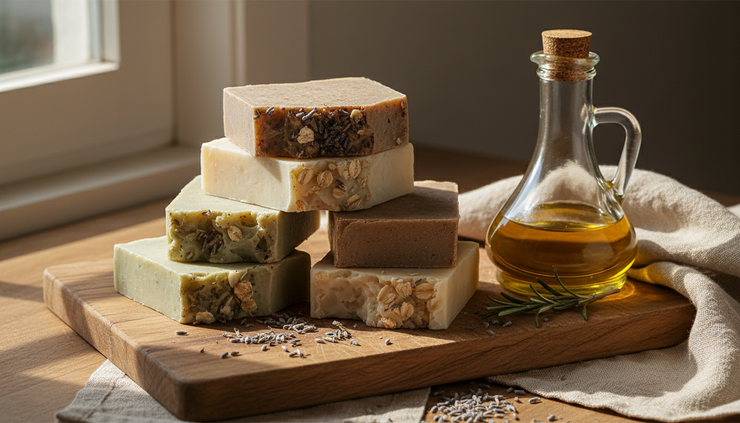
Natural soap starts with a few honest ingredients
True soap is made through saponification, the reaction between fats and sodium hydroxide, commonly called lye. During that reaction, oils transform into soap and glycerin. When the recipe is accurate and the bar cures properly, no active lye remains in the finished soap.
That matters because many people hear “lye” and think it does not belong in natural products. In reality, soap cannot be made from scratch without it. The natural part comes from the oils, additives, colorants, scent choices, and the absence of synthetic detergents or unnecessary fillers.
The basic formula looks like this:
Oils or butters
Distilled water or another approved liquid
Sodium hydroxide
Optional essential oils
Optional natural colorants
Optional texture or skin-feel additives
Choose oils based on what they do in the bar
Every oil brings something different. Some make a bar hard. Some create big bubbles. Some feel creamy and gentle. The best recipes use a blend rather than leaning too hard on one ingredient.
Here are useful oils and butters for natural soap making.
Ingredient | What it brings to soap | Practical tip |
Olive oil | Mild feel and a creamy, low lather | Use as a base oil, but give it a long cure for best hardness |
Coconut oil | Cleansing power and fluffy bubbles | Keep it balanced, too much can feel drying |
Shea butter | Creaminess and a firmer bar | Use in modest amounts so the lather does not get too heavy |
Cocoa butter | Hardness and a dense feel | Helpful in palm-free recipes |
Avocado oil | Conditioning feel and a silky texture | Works well in facial and gentle body bars |
Castor oil | Lather support and bubble stability | A small amount goes a long way |
Sweet almond oil | Light, conditioning feel | Best paired with harder oils |
Sunflower oil | Gentle feel and easy availability | Choose high-oleic sunflower oil when possible for better shelf life |
A beginner-friendly recipe often combines olive oil, coconut oil, shea butter, and castor oil. That gives a good mix of mildness, firmness, bubbles, and creaminess.
The hidden skill is not adding every luxury oil at once. A bar with 12 oils is not always better than a bar with 4 oils. In many cases, a simple recipe performs better because each ingredient has a clear job.
Build a balanced base before adding extras
A beautiful natural soap needs structure. If the base recipe is weak, essential oils and botanicals will not save it.
A balanced bar usually needs five qualities.
Hardness
A hard bar lasts longer in the shower. Coconut oil, cocoa butter, shea butter, tallow, lard, and palm oil all help with hardness. For plant-based organic bars, cocoa butter and shea butter are common choices.
Lather
Coconut oil creates big, airy bubbles. Castor oil helps hold those bubbles longer. Olive oil gives a softer, creamier lather, especially after a good cure.
Mildness
Mildness comes from a careful recipe, accurate lye measurement, and proper curing. Many soap makers also use superfatting, which means leaving a small amount of extra oil unsaponified. That can improve the feel of the bar, but too much can make soap soft or shorten shelf life.
Longevity
A long-lasting bar needs enough hard oils and enough cure time. It also needs good drainage between uses. Even the best soap will melt away if it sits in a puddle.
Scent stability
Some essential oils fade quickly in soap. Citrus oils smell bright at first, then soften during cure. Patchouli, cedarwood, lavender, litsea cubeba, eucalyptus, and rosemary usually hold better.

Essential oil combinations that smell beautiful and make sense
Essential oils can turn a plain bar into a memorable one, but they should be used with care. They are concentrated plant extracts, not casual fragrance drops. Always check skin-safe usage rates, avoid known irritants, and follow current guidance from reputable essential oil safety sources.
For cold process soap, many makers use essential oils at a modest percentage of the oil weight, often around 2 to 3 percent, depending on the oil and the intended use. Some essential oils need much lower rates. When in doubt, use less.
The best blends have top, middle, and base notes.
Top notes smell bright and fresh, such as lemon, orange, peppermint, and grapefruit.
Middle notes give body, such as lavender, rosemary, geranium, and clary sage.
Base notes last longer, such as cedarwood, patchouli, vetiver, and frankincense.
Use “parts” when planning blends. For example, 3 parts lavender, 2 parts cedarwood, and 1 part orange could mean 30 drops, 20 drops, and 10 drops for a test blend. For soap, weigh essential oils in grams or ounces rather than relying on drops.
Try these natural scent blends
Blend mood | Essential oil combination | Best soap style |
Calm herbal | Lavender, cedarwood, sweet orange | Oatmeal or shea butter bar |
Fresh morning | Rosemary, peppermint, eucalyptus | Shower bar or kitchen sink bar |
Bright citrus | Litsea cubeba, grapefruit, cedarwood | Summer body bar |
Warm spice | Sweet orange, cinnamon leaf, clove bud | Seasonal bar, used at very low rates |
Woodland | Fir needle, cedarwood, patchouli | Clay or charcoal bar |
Floral citrus | Geranium, lavender, bergamot | Gentle hand or bath bar |
Cinnamon, clove, peppermint, citrus, and some floral oils can irritate skin when used too strongly. Citrus oils can also be phototoxic unless they are steam-distilled or labeled as non-phototoxic. Use caution, especially for facial bars or products meant for sensitive skin.
This is informational only and not medical advice. Soap is a rinse-off product, and essential oils should not be used to claim that a bar treats skin conditions.
Natural colorants and additives can improve the whole bar
The prettiest soap usually comes from simple, well-chosen additions. Natural colorants are more subtle than synthetic micas, but they can create earthy, elegant bars.
Good natural colorants include:
French green clay Adds a soft green tone and a silky feel.
Rose clay Gives a pink or muted rose shade and gentle slip.
Activated charcoal Creates gray to black bars. Use lightly to avoid dark lather.
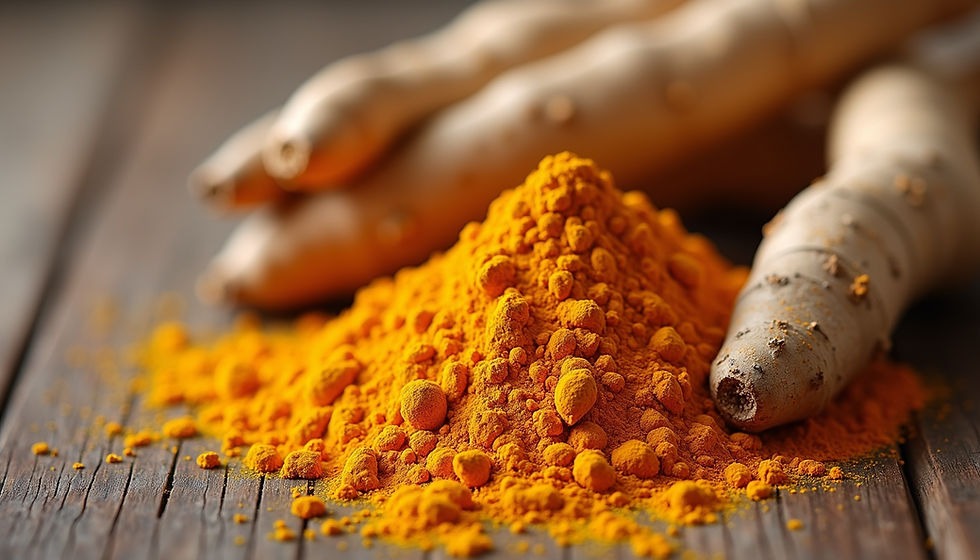
Turmeric Gives yellow to orange tones. It can stain if overused.
Cocoa powder Adds warm brown color and pairs well with orange or mint scents.
Alkanet root Can create purple-gray shades, but results vary by recipe.
Annatto seed Infuses oil with golden yellow or orange color.
Other natural additives can improve texture and skin feel.
Finely ground oats create a soft, comforting bar. Honey can boost lather, though it also heats up during saponification and can darken soap. Aloe vera liquid can replace part of the water if handled carefully. Goat milk, coconut milk, and other milks create creamy bars, but they require cooler temperatures to avoid scorching.
Botanicals need care. Lavender buds look charming at first, then often turn brown in soap. Rose petals can do the same. Calendula petals tend to hold their color better, which makes them a favorite for natural bars.
For scrubby texture, choose gentle exfoliants:
Finely ground oatmeal
Poppy seeds in small amounts
Ground coffee for hand and kitchen bars
Fine sea salt for salt bars
Ground pumice for heavy-duty cleaning bars
Avoid sharp herbs, large dried flowers, coarse salt crystals, and anything that feels scratchy in your palm. Soap should clean, not scrape.

The process rewards patience and precision
Cold process soap making is the most common method for crafting from-scratch natural soap. It gives you full control over oils, scents, colors, and additives.
The basic process looks simple, but each step matters.
Choose a tested recipe
Do not guess the amount of lye. Use a reliable soap recipe or run your formula through a lye calculator.
Prepare your workspace
Work in a ventilated area. Keep children and pets away. Wear gloves, eye protection, long sleeves, and closed-toe shoes.
Mix lye into liquid
Always add lye to water, never water to lye. The mixture heats quickly and gives off fumes at first, so avoid breathing them in.
Melt and combine oils
Melt solid oils and butters gently, then combine them with liquid oils.
Bring lye solution and oils to a workable temperature
Many soap makers mix when both are warm but not hot. The exact range can vary by recipe.
Blend to trace
Use a stick blender in short bursts until the batter thickens. Light trace looks like thin pudding. Heavy trace looks much thicker and can be harder to pour.
Add scent, color, and extras
Stir well but do not overmix. Some essential oils speed up trace, especially spicy or floral oils.
Pour into the mold
Tap the mold gently to release air bubbles.
Unmold and cut
Many loaves are ready to unmold after a day or two, but timing varies.
10. Cure the bars
Place bars in a cool, dry, ventilated space for several weeks. Most cold process soaps improve with a 4 to 6 week cure.
Curing is where many beginners get impatient. The bar may be safe earlier if the recipe is correct, but cure time lets excess water evaporate. That creates a harder bar with better lather and longer life.
Small choices make handmade soap feel polished
The difference between okay soap and amazing soap often comes down to small habits.
Measure by weight, not volume. A digital scale is one of the most important tools in soap making.
Use distilled water. Tap water can contain minerals that affect the final bar.
Keep notes. Write down oil weights, temperatures, essential oil amounts, colorants, mold type, and cure results. Good notes help you repeat successes and fix problems.
Test one change at a time. If you change the oils, scent, color, and liquid in one batch, you will not know what caused the result.
Use fresh oils. Rancid oil can lead to orange spots and off smells. Store oils away from heat and light.
Control water. Too much water can make soap soft and slow to unmold. Too little can make batter thicken fast. Follow the recipe until you understand how water changes behavior.
Do not overload additives. More honey, clay, salt, or botanicals does not always make better soap. Additives should support the bar, not take it over.
Choose the right mold. Silicone molds are easy for beginners. Wooden loaf molds help insulate soap, but they need liners unless fitted with silicone inserts.
Let design serve the recipe. Swirls, layers, and textured tops are fun, but a bar that cracks, crumbles, or loses scent is not a win. Start with performance, then build beauty on top.

Pair ingredients with a clear purpose
The easiest way to create better soap is to decide what the bar should do before writing the recipe.
For a gentle everyday body bar, try a base rich in olive oil with shea butter, a modest amount of coconut oil, and a touch of castor oil. Add colloidal oats or finely ground oatmeal. Scent it with lavender and cedarwood, or leave it unscented.
For a bright kitchen hand bar, use coconut oil for cleansing, olive oil for balance, and castor oil for lather. Add a little coffee grounds or fine pumice for grip. Rosemary, lemon, and litsea cubeba make it smell fresh.
For a creamy spa-style bar, combine olive oil, avocado oil, shea butter, and cocoa butter. Add rose clay for color and slip. Try lavender, geranium, and bergamot at a skin-safe rate.
For a woodland shower bar, use a firm base with cocoa butter or shea butter. Add green clay or charcoal. Cedarwood, fir needle, and patchouli give depth and staying power.
For a simple unscented bar, skip essential oils completely. Use high-quality organic oils, keep the recipe mild, and cure it well. Unscented soap can be one of the most elegant bars you make.
The best natural soap is simple, safe, and well cured
Crafting beautiful soap is not about using rare ingredients or complicated designs. It comes from understanding the role of each oil, respecting lye safety, choosing essential oils carefully, and allowing enough cure time.
Start with one dependable recipe. Make it several times. Change only one detail per batch. Notice how the bar feels after two weeks, four weeks, and eight weeks. That quiet practice teaches more than any long ingredient list.
The best handmade soap has a clear purpose, a balanced formula, a scent that fits the bar, and a finish that feels good in the hand. When those pieces come together, a simple bar of soap becomes something personal, useful, and worth making again.


Comments