
Why Organic Soaps and Body Butters Are Safe for Pets and Improve Skin and Fur

Dry flakes, dull fur, itchy paws, and that “fresh from the bath” smell that turns sour by the next day often point to the same issue: the wrong grooming products. A pet’s skin is not built like human skin, and harsh cleansers can strip away the natural oils that keep the coat soft and the skin calm.
That is where well-made organic soaps and body butters can help. When they are pet-safe, fragrance-light or fragrance-free, and made with simple ingredients, they can clean without over-drying and moisturize areas that need extra care.
The key phrase is pet-safe. “Organic” alone does not make a product safe for dogs or cats. A gentle formula made for pets is very different from a handmade human soap bar loaded with essential oils. Used the right way, organic soaps and body butters safe for pets can support healthier skin, softer fur, and a more comfortable grooming routine.

Pet skin needs gentler care than human skin
Dogs and cats have a protective skin barrier that helps keep moisture in and irritants out. This barrier includes natural oils, healthy skin cells, and a balanced mix of microorganisms. When a cleanser is too harsh, it can disturb that layer.
That can lead to:
Dryness and flaking
Itching after baths
Dull or brittle fur
Red or irritated patches
Extra licking or scratching
A greasy coat that comes back quickly because the skin overproduces oil
Many human soaps and lotions are a poor fit for pets. They may contain strong fragrance, high levels of essential oils, synthetic dyes, heavy preservatives, or ingredients that are fine for people but risky when a pet licks them.
Pets also groom themselves. Cats are especially likely to ingest anything left on their coat. Dogs often lick paws, legs, and bellies after a product is applied. That makes rinse-off and leave-on product safety much more important.
A good organic pet soap should clean the coat without leaving the skin tight or squeaky. A safe body butter should moisturize dry spots without coating the fur in greasy residue or tempting the pet to lick nonstop.
What makes an organic soap safer for pets
A safe organic soap for pets starts with a short, understandable ingredient list. It should be made for animals, not simply marketed as “natural.” The best formulas focus on mild cleansing and skin comfort rather than strong scent.
Look for these qualities.
It uses gentle cleansing ingredients
Pet-safe soaps and shampoos should remove dirt, dander, and odor without stripping every bit of oil from the coat. Over-cleansing can make skin feel worse, even if the coat looks clean for a few hours.
Good formulas often include mild plant-based cleansers, moisturizing oils, or soothing ingredients such as oatmeal or aloe. These can help the bath feel less drying.
Traditional soap bars made with lye can be safe when properly cured and carefully formulated, but many are too alkaline for regular pet use. A bar that feels fine on human hands may still leave a dog’s skin dry. For regular bathing, choose a product clearly made for pets.
It avoids harsh fragrance
A pet’s sense of smell is much stronger than a person’s. Strong fragrance can be overwhelming, and some scent ingredients can irritate skin.
Fragrance-free is often the safest choice. Lightly scented products can be fine if the scent comes from pet-safe ingredients and appears at low levels. Still, avoid the idea that a pet needs to smell like lavender, peppermint, or citrus after a bath. Clean fur should smell clean, not perfumed.
It rinses clean
Residue matters. A soap that leaves a film can cause itching, dullness, or licking. Pet-safe organic soaps should rinse out easily with warm water.
After washing, the coat should feel soft and clean, not waxy, sticky, or stiff. If the fur feels coated, the product may be too rich or not rinsed well enough.
It supports the skin barrier
Some organic ingredients can help protect moisture. Oatmeal, aloe vera, calendula, coconut-derived cleansers, and gentle plant oils are common examples. They do not cure skin disease, but they can make routine grooming kinder to sensitive skin.
Organic grooming products work best when they protect the pet’s skin barrier instead of fighting against it.
Why body butters can help dry paws, noses, and rough spots
Body butter is richer than a lotion. It usually blends plant butters and oils into a thick balm that softens dry skin. For pets, it can be especially useful on small areas that get rough or exposed.
Common places to use a pet-safe body butter include:
Paw pads
Elbows
Dry noses, if the product is labeled safe for that use
Callused pressure points
Small flaky areas after bathing
Dry skin around the belly or legs
Body butter helps by forming a light protective layer over the skin. That layer slows moisture loss and softens rough texture. On paw pads, it can make dry cracks feel less tight. On elbows, it can reduce the rough, gray, scaly look that some dogs develop from lying on hard floors.

For fur, body butter should be used lightly. A tiny amount warmed between the fingers can smooth flyaway hairs or soften a dry patch. Too much will leave the coat greasy and may encourage licking.
Safe pet body butters often use ingredients such as:
Shea butter
Mango butter
Coconut oil in small amounts
Olive oil
Sunflower oil
Beeswax
Calendula-infused oil
These ingredients are popular because they help seal in moisture and soften rough skin. They also tend to be simple and familiar. Still, every pet is different. A dog with allergies may react to a natural ingredient just as easily as a synthetic one.
Organic does not mean automatically safe
This is the most important part of the conversation. Organic products can be wonderful, but the label does not replace good judgment.
Some natural ingredients are not safe for pets. Others may be safe for dogs but unsafe for cats. Cats process many compounds differently, which makes them more sensitive to certain essential oils and plant extracts.
Avoid pet grooming products that contain:
Tea tree oil
Pennyroyal oil
Wintergreen oil
Strong peppermint oil
Eucalyptus oil
Citrus essential oils in concentrated amounts
Artificial dyes
Heavy perfume
Alcohol-heavy formulas
Human acne or anti-aging ingredients
Medicated ingredients unless prescribed or approved by a veterinarian
Tea tree oil is a common example. Many people think of it as natural and cleansing, but it can be dangerous for pets, especially when concentrated or used incorrectly.
Also be careful with cocoa butter. Pure cocoa butter is not the same as chocolate, but many pet owners prefer to avoid chocolate-related ingredients because pets may lick leave-on products. Shea butter or mango butter is usually a better choice for pet balms.
If a product does not clearly say it is safe for pets, do not assume it is.
How organic soaps improve fur texture and shine
Healthy fur starts at the skin. A coat looks shiny when the hair shaft lies smooth and the skin produces balanced natural oils. Harsh cleansers rough up that balance. Gentle organic grooming products can help the coat look better over time because they reduce dryness and support the skin underneath.
A good organic soap can improve fur by:
Washing away dirt without over-stripping oils
Reducing the dry, fluffy texture that follows harsh baths
Helping curls or waves keep their shape
Making brushing easier after drying
Leaving fewer irritating residues behind
For long-haired pets, a gentler wash can also reduce tangles. Dry fur catches on itself more easily. Softer fur moves better, brushes better, and mats less often when paired with regular combing.
For short-haired pets, the improvement often shows as shine. The coat reflects light better when the skin is comfortable and the hair is not coated with residue.
Body butter can support this by helping specific dry areas. It is not meant to replace a balanced diet, veterinary care, or flea control, but it can be a helpful part of everyday grooming.
When to use soap and when to use body butter
Soap and body butter do different jobs. Using them correctly matters.
Organic soap | Organic body butter |
Best for bath time | Best for dry spots |
Rinse-off product | Leave-on product |
Cleans fur and skin | Moisturizes and protects |
Used occasionally | Used in tiny amounts as needed |
Should rinse clean | Should absorb without greasiness |
Most pets do not need frequent full baths unless they get dirty, have odor, or have a coat type that requires it. Bathing too often can dry the skin, even with a gentle product.
Body butter can be used more often, but only in thin layers. Start with less than you think you need. Rub it into your fingers first, then massage it into the paw pads or dry patch.
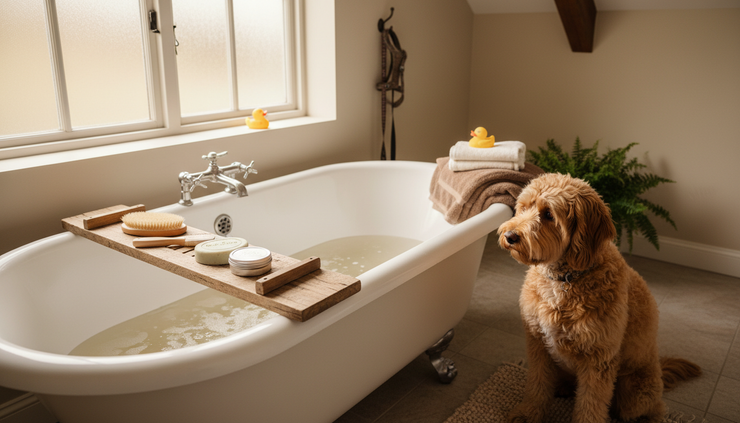
A simple routine may look like this:
Brush the coat before bathing.
Wet the fur fully with lukewarm water.
Apply a small amount of pet-safe organic soap.
Massage gently, avoiding eyes and ears.
Rinse until the water runs clear and the coat feels residue-free.
Towel dry well.
Apply a tiny amount of body butter to paws, elbows, or dry patches.
If the pet tries to lick off the butter right away, distract with a walk, meal, puzzle toy, or quiet cuddle time until it absorbs.
Signs a product is working well
A safe, well-matched grooming product should make the pet more comfortable, not more restless. After a few uses, look for small but clear signs.
Positive signs include:
Less scratching after baths
Softer fur
Fewer flakes
Easier brushing
Paw pads that feel more flexible
Less roughness on elbows or pressure points
A clean scent without strong perfume
Watch for negative signs too. Stop using the product if you notice redness, swelling, hives, increased licking, drooling, vomiting, sudden hair loss, or signs of pain. If symptoms are strong or do not improve quickly, contact a veterinarian.
For pets with known allergies, chronic itching, hot spots, ear infections, or hair loss, grooming products alone are not enough. Skin problems can come from fleas, food allergies, environmental allergies, yeast, bacteria, hormonal issues, or other health concerns.
This article is for general information only and should not replace veterinary advice. A veterinarian can help identify the cause of ongoing skin or coat problems.
How to choose the right organic product
The best product is not the fanciest one. It is the one with the safest formula for the pet in front of you.
Use this checklist before buying.
Choose pet-specific formulas
The label should clearly say the product is made for dogs, cats, or both. If you have a cat, be extra selective. Many products made for dogs are not appropriate for cats.
Read the whole ingredient list
A front label may say “organic,” “natural,” or “botanical,” but the ingredient list tells the real story. Choose simple products with recognizable ingredients and avoid strong essential oil blends.
Pick unscented when possible
Unscented products are often better for sensitive pets. They are also easier on the pet’s nose.
Patch test first
Try a small amount on one area, such as a paw pad or a small patch of fur on the leg. Wait a day and watch for redness, itching, or extra licking before using more.
Match the product to the problem
Use soap for cleaning. Use body butter for dryness. Do not try to scrub away every skin issue. Irritated skin often needs less friction, not more.
Ask a veterinarian for special cases
Check first if the pet is very young, elderly, pregnant, nursing, immune-compromised, or dealing with a skin condition. The same goes for pets taking medication or recovering from surgery.
Common mistakes to avoid
Even gentle products can cause problems when used the wrong way.
One common mistake is using too much product. More soap does not mean a cleaner coat. It often means harder rinsing and more residue. More body butter does not mean faster healing. It may create a greasy layer that traps dirt.
Another mistake is bathing with hot water. Warm water is enough. Hot water can dry the skin and make itching worse.
Some pet owners also skip rinsing around the belly, armpits, tail, and paws. These areas hold residue easily. Take extra time there.
The biggest mistake is using human skincare on pets. Human body butter may contain fragrance oils, preservatives, cocoa-based ingredients, or actives that are not safe for animals. A product that works beautifully on human skin can still be wrong for a dog or cat.

A gentle grooming routine can make a visible difference
Organic soaps and body butters can improve a pet’s skin and fur when they are chosen with care. The safest options are simple, pet-specific, lightly scented or unscented, and easy to rinse or absorb.
The goal is not to cover a pet in rich products. The goal is to protect the skin barrier, clean gently, and add moisture where dryness needs help.
For many pets, that means fewer post-bath itches, softer fur, smoother paw pads, and a coat that looks healthier because the skin underneath feels better. Start small, watch the response, and choose products as carefully as you would choose food or bedding. Gentle care adds up, and the difference often shows every time the coat catches the light.



Comments